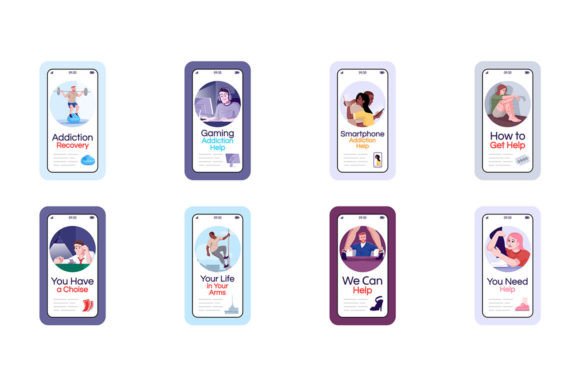
Addiction Characters Social Media Posts: Graphics and Ux And Ui Kits Review
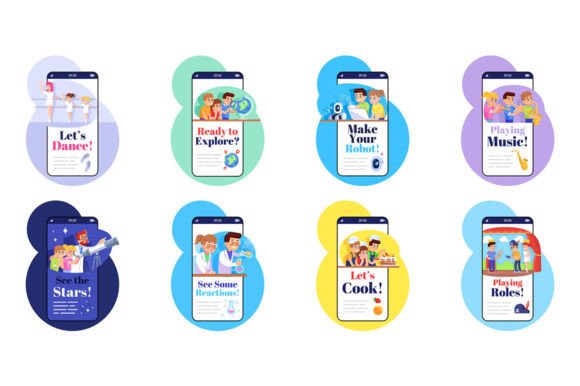
In the world of digital publishing, the line between content and design is increasingly blurred. As a blog designer who has spent years refining editorial layouts for high-traffic websites, I have learned that readers judge the credibility of information within seconds. If the visual presentation feels amateurish, even the most well-researched article can be dismissed. This is where strategic design assets become essential tools in a publisher’s toolkit. Today, I am reviewing a specific graphic resource titled Addiction Characters Social Media Posts, a collection that aims to bridge the gap between psychological education and accessible digital communication.
This asset falls under the broader categories of Ux And Ui Kits and general Graphics, but its application extends far beyond simple iconography. It is a comprehensive set designed to support content creators who need to communicate sensitive topics—such as mental health, recovery, and behavioral addiction—with empathy, clarity, and professional polish. For bloggers, online educators, and affiliate marketers in the wellness niche, finding visuals that are both engaging and respectful is a constant challenge. This package offers a potential solution by providing ready-to-use social media post designs featuring cartoon character mockups on mobile phone displays.
The First Impression: Editorial Mood and Visual Tone
When you first open the zip file containing these eight distinct designs, the immediate takeaway is the emphasis on approachability. The use of cartoon characters softens the often heavy subject matter of addiction and recovery. In editorial design, this technique is known as "visual easing." By presenting complex psychological concepts through friendly, stylized avatars, the design reduces cognitive load and makes the content feel less intimidating to the reader.
The aesthetic leans towards a modern, clean style with bold yet soft color palettes. It does not feel overly decorative or cluttered, which is crucial for maintaining readability on fast-loading web pages. The mood is supportive and educational rather than clinical or cold. For a website focused on mental health awareness, this visual tone helps build trust. Readers are more likely to engage with content that looks like it comes from a caring community rather than a sterile institution. The inclusion of mobile phone display mockups is particularly smart, as it immediately contextualizes the graphics for social media platforms like Instagram, Pinterest, and Twitter, where mobile consumption dominates.
Real-World Publishing Applications
So, how does this graphic design asset fit into an actual content workflow? Let’s imagine a typical week for a digital publisher in the wellness space. You might be preparing a series of articles on coping mechanisms, launching a new email newsletter about boundary setting, or creating downloadable worksheets for your audience. Here is how Addiction Characters Social Media Posts can integrate seamlessly:
- Social Media Promotion: The primary strength of this kit lies in its pre-formatted social media posts. Instead of designing each tweet or Instagram story from scratch, you can swap out the text while keeping the consistent character branding. This ensures your social media graphics look cohesive across multiple campaigns.
- Pinterest Pins: Pinterest is a visual search engine, and pins with clear, friendly imagery perform exceptionally well in the self-improvement niche. These designs provide the perfect template for creating vertical pins that drive traffic back to your blog posts.
- Newsletter Headers: Email marketing remains one of the highest ROI channels for publishers. Using these characters as headers or sidebars in your emails adds a personal touch that increases open rates and click-throughs.
- Digital Products: If you sell eBooks, guided journals, or printables, these assets can serve as cover art or interior accents. They help transform a standard PDF into a branded digital product that feels premium.
- Website Banners: While primarily designed for social screens, the elements can be extracted to create hero images or category banners on your WordPress or Shopify site, enhancing your overall brand identity.
Impact on Content Performance and Trust
Investing in quality design assets is not just about aesthetics; it is about performance. When your blog features consistent, high-quality visuals, it signals professionalism to your audience. This consistency improves visual hierarchy, guiding the reader’s eye to the most important information. In the context of addiction resources, clarity is paramount. Confusing layouts can lead to disengagement, whereas the structured mockups in this kit ensure that key messages stand out.
Furthermore, using a unified visual system aids in brand recognition. When a visitor sees the same character style across your Pinterest pin, your Instagram post, and your website header, they begin to associate those visuals with your authority on the topic. This strengthens your brand identity and encourages repeat visits. For affiliate marketers, this trust translates directly into higher conversion rates, as users are more likely to click on links presented in a polished, trustworthy environment.
Where This Asset Shines
The Addiction Characters Social Media Posts kit excels in environments where visual appeal needs to balance with informational density. It is ideal for:
- Hero Images: Top-of-page banners that introduce a new article or guide.
- Article Thumbnails: Small preview images that need to grab attention in crowded feeds.
- Content Upgrades: Lead magnets offered in exchange for email sign-ups.
- Category Visuals: Icons or headers that distinguish different sections of your site (e.g., "Recovery Tips" vs. "Scientific Research").
Areas Requiring Caution
No single design asset fits every scenario. Publishers should exercise caution when applying these graphics to:
- Small Mobile Thumbnails: The detailed character art may lose clarity when scaled down to very small sizes. Always test at 100% zoom.
- Text-Heavy Blog Images: If you overlay too much text on the character mockups, the visual message can become cluttered. Keep copy minimal.
- Low-Contrast Backgrounds: Ensure your background colors do not clash with the pastel or muted tones of the characters, which could hurt readability.
- Corporate or Serious Professional Niches: While effective for wellness blogs, the cartoon style might feel too informal for legal, medical, or financial advisory sites that require a stricter, minimalist aesthetic.
Practical Publisher Notes for Implementation
To get the most out of this creative design pack, follow these technical best practices:
Test Across Devices: View the final designs on both desktop monitors and mobile phones. Since the mockups simulate mobile screens, ensure they still hold up when viewed as full-page website elements.
Check Typography Pairings: Experiment with different font styles alongside these graphics. Sans serif fonts work well for a modern look, while serif fonts can add an editorial, journalistic feel. Avoid script fonts that may compete with the character illustrations for attention.
Optimize File Size: Before uploading to your CMS, compress the images using tools like TinyPNG or ImageOptim. Large files slow down page load times, which negatively impacts SEO and user experience.
Verify Licensing: Always review the commercial license included with the download. Confirm whether you can use these assets on monetized websites, in paid courses, or for client projects. Understanding the terms of use protects your business from legal issues.
In conclusion, Addiction Characters Social Media Posts is a valuable addition to any publisher’s library who operates in the health, wellness, or education sectors. It provides a ready-made visual language that simplifies the creation of engaging, trustworthy content. By leveraging these design assets, you can elevate your editorial presence, improve click-through rates, and connect more effectively with your audience.